
How QR Codes Are Revolutionizing Cannabis Product Information
QR codes in cannabis provide instant access to detailed, batch-specific product info for consumers.
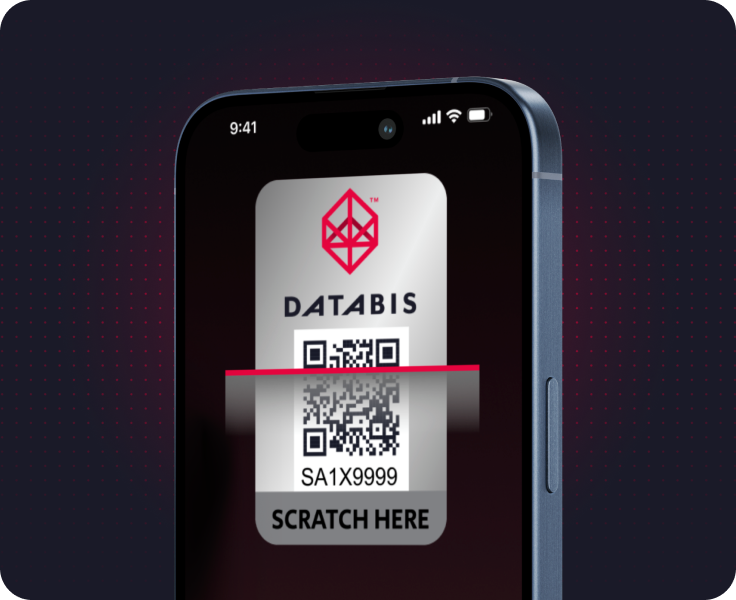
Table of Contents
Key takeaways
QR codes can act as a cannabis product's "digital passport," connecting consumers to verified, batch-specific data that goes far beyond what fits on a label
THC percentage alone is a poor indicator of quality; terpene profiles and the entourage effect play a much bigger role in your experience
Traditional cannabis information systems fail consumers through data silos, inconsistent lab standards, and overloaded budtenders
Pairing QR codes with blockchain creates tamper-proof product verification that's accessible with a simple phone scan, no app required
Databis' "Sale-to-Smoke™" platform connects consumers with verified batch data, authentic reviews, personal product tracking, and brand rewards in one ecosystem
Picture this: You're at your favorite dispensary, staring at a wall of flower jars. The budtender rattles off THC percentages like they're reciting baseball stats, but you're left wondering—what’s the actual story behind this bud? How fresh is this batch? Does the smell tickle your nose, and is it as fire as the last time you grabbed?
Sound familiar? You're not alone. For too long, cannabis consumers have been flying blind, making purchasing decisions based on strain names and THC numbers alone. But here's the deal: a simple black-and-white square is about to change everything. QR codes are quietly revolutionizing how we access cannabis product information, and it's about time someone fixed this mess.
What Are QR Codes in Cannabis?
Let's start with the basics. QR codes (Quick Response codes) are those square, pixelated patterns you've probably been scanning since the pandemic made them ubiquitous. In the cannabis world, these little digital gateways are becoming the bridge between your physical product and a wealth of verified information that was previously locked away in lab reports and manufacturer databases.
Think of a cannabis QR code as your product's digital passport—a direct link to authentic, batch-specific data that goes way beyond what fits on a tiny product label. Instead of squinting at microscopic text trying to decode lab results, you simply point your phone's camera and instantly access everything you need to know about what you're consuming.
Why Cannabis Product Information Matters More Than Ever
Consumer Safety and Transparency
Here's a reality check: you wouldn't eat mystery meat from an unmarked package, so why should you accept vague information about what you're smoking, vaping, or eating? Cannabis quality can vary significantly between batches, even from the same grower. That GMO Cookies you loved last month might be completely different from this month's harvest—different smell, different terpenes, different experience.
QR codes eliminate the guesswork by providing access to comprehensive lab testing data, including full cannabinoid profiles, terpene breakdowns, pesticide screenings, and heavy metal testing. This isn't just about being picky—it's about making informed decisions for your health and experience.
The THC Percentage Myth
Let's bust a myth that's been driving cannabis marketing for years: THC percentage isn't everything. Industry experts have been shouting this from the rooftops, but somehow we're still obsessed with those big numbers on the label. The reality is that cannabis effects come from the "entourage effect"—the complex interaction between cannabinoids, terpenes, and other compounds found in the plant.
A 15% THC flower with the right terpene profile might hit harder and feel better than a 25% THC strain with little to no terpenes. According to Packaging World, Veritas Fine Cannabis uses QR codes to provide consumers access to "the 21 most prevalent cannabis terpenes present in the product and data on nine different cannabinoids (e.g., THC, THC-A, CBD-A, CBN, etc.), highlighting the most prevalent ones in that strain."¹ This comprehensive chemical fingerprint helps consumers understand what actually makes certain batches high quality.
Building Trust in a Stigmatized Industry
Cannabis still carries baggage from decades of prohibition and misinformation. Every time a consumer has a bad experience because they didn't know what they were getting, it reinforces negative stereotypes. According to TechBullion, "80% of consumers are more likely to purchase a product if it offers a personalized experience," and QR codes provide exactly that tailored information access.²
When brands provide transparent, accessible information through QR codes, they're building trust one scan at a time and helping normalize cannabis consumption for everyone. As Atiyyah Ferouz, executive director of the International Cannabis Quality Standards Association (ICQSA) told Marijuana Venture, "Greater transparency about the product generates trust in the brand. Producers who add QR codes voluntarily will stand out as champions of quality."³ No more guessing games with your stash.
Authentic Reviews and Batch-Specific Feedback
Traditional cannabis reviews are basically useless. When someone reviews "Gelato" on Leafly, are they talking about the batch you just bought? Hell no. They could be reviewing a completely different phenotype from a different grower in a different state. QR codes enable batch-specific reviews from verified purchasers, giving you feedback that's actually relevant to the product in your hands.
Veritas Fine Cannabis has this figured out, using QR codes that allow customers to "become more educated on what they are smoking while allowing us to reach the customer directly by showing them where they can then find said product again."⁴ This direct connection between specific batches and consumer feedback creates a feedback loop that's actually worth a damn.
Current Challenges: Why Most Cannabis Info Is Trash
The Information Vacuum
Most cannabis products live in an information vacuum once they hit dispensary shelves. Sure, there's seed-to-sale tracking for compliance, but that data rarely makes it to consumers in a meaningful way. Lab results get buried in filing cabinets or password-protected databases, leaving consumers to make decisions based on budtender recommendations and packaging claims.
As Jordan Plunkett, Marketing Director at Veritas Fine Cannabis, explains: "QR codes had been a dying thing pre-COVID because smartphone users previously had to download a third-party app to scan them instead of using the camera feature...We capitalized on this opportunity [new technology] to give consumers quick and easy access to verified information directly from the source."⁴ The technology is finally catching up to the need for accessible cannabis data.
Inconsistent Lab Testing Standards
Not all lab tests are created equal. Different labs use different methods, and some states have more rigorous testing requirements than others. Without easy access to detailed lab data, consumers can't evaluate the quality or reliability of testing information.
Some states are recognizing this problem and mandating QR code access to testing data. According to Marijuana Venture, "Some states like Utah, Indiana, and Oregon mandate the codes so consumers can access strain and ingredient information. New Mexico also has established QR code requirements, which vary depending on the product and size of the package."³ This regulatory push toward transparency is helping standardize access to reliable testing information.
The Dispensary Bottleneck
Dispensaries become the gatekeepers of product information, but they're not always equipped or incentivized to share detailed data. A busy budtender serving dozens of customers per hour isn't going to pull up comprehensive lab reports for every product question. The result? Generic recommendations based on limited information.
Counterfeit and Gray Market Products
The illicit market thrives on information asymmetry. When legitimate products don't provide easy access to verified data, it's easier for counterfeit products to slip through. QR codes create a verification system that's incredibly difficult to fake, especially when backed by advanced technologies.
As TechBullion reports, smart labeling technologies like "mylar labels embedded with NFC (Near Field Communication) chips" enable instant product authentication. "The NFC chip communicates with a secure database, providing real-time information about the product's origin, manufacturing date, and test results."² This level of verification helps protect consumers from counterfeit products while building brand trust.
The QR Code Revolution: What's Changing
Instant Access to Comprehensive Data
Modern cannabis QR codes can provide instant access to:
- Complete lab testing results (COAs)
- Batch-specific information and harvest dates
- Full cannabinoid and terpene profiles
- Growing methods and source information
- Packaging and processing dates
- Product authenticity verification
This isn't theoretical—it's happening now. Veritas Fine Cannabis has implemented QR codes that lead to "strain cards on our website that provide even more detailed information not included on the label such as the full terpene and cannabinoid lab test results along with where else they can find that product."⁴ Progressive cannabis brands are transforming how consumers interact with their products.
Blockchain-Backed Verification
The next evolution combines QR codes with blockchain technology for immutable data storage. This means the information you're accessing can't be altered or faked after the fact. When you scan a blockchain-backed QR code, you're accessing verified, tamper-proof data that evokes confidence as a consumer because you can trust what is in this product and what you’re putting in your body.
Mobile-First Experience
Today's QR code systems are designed for smartphones—no apps to download, no accounts to create. Point, scan, learn. This frictionless experience means consumers are more likely to actually use the information, creating a feedback loop that encourages more brands to provide transparency.
Oregon's medical marijuana program exemplifies this approach. Their QR codes "may be scanned to verify whether the receipt or card is valid or not" using just "a camera on a phone or tablet."¹ The state emphasizes that "No additional hardware is required" and "A smart phone or a QR code scanner and internet is all that is needed."¹ This simplicity is crucial for widespread adoption.
Rewards and Loyalty Integration
Smart QR code systems aren't just about information—they're about engagement. Brands are integrating loyalty programs and rewards directly into the scanning experience, creating incentives for consumers to verify their purchases and provide feedback.
According to TechBullion, QR codes can facilitate "direct communication between brands and consumers. By scanning QR codes, users can join loyalty programs, receive exclusive offers, participate in surveys, and engage with online communities, fostering a sense of belonging and loyalty."² This creates a complete ecosystem around product transparency and consumer engagement.
How Databis Is Leading the Charge
While many companies talk about transparency, Databis is actually building the infrastructure to make it happen. Their "Sale-to-Smoke™" approach extends transparency beyond traditional seed-to-sale tracking to include the entire consumer journey.
When you scan a Databis QR code, you're not just accessing static product information. You're plugging into a dynamic system that:
- Provides verified, blockchain-backed product data that can't be manipulated
- Enables authentic reviews from verified purchasers of specific batches
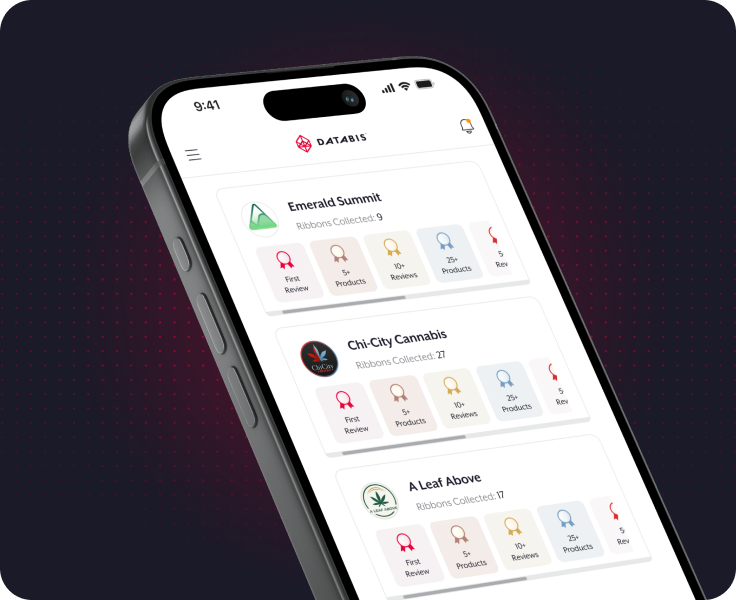
- Creates a personal database for cannabis where you can track products you've tried
- Connects you directly with brands through rewards and communication channels
- Builds a comprehensive picture of cannabis quality that goes beyond individual strain names
The platform uses public blockchain technology, ensuring that product verification isn't controlled by any single entity. This creates a level of transparency and trust that private databases simply can't match.
What makes Databis different is their focus on the entire ecosystem—not just compliance tracking, but real consumer engagement. They're building the infrastructure that allows brands to maintain relationships with customers beyond the point of sale, something that's been nearly impossible in the traditional cannabis retail model.
The Future Is Already Here
QR codes aren't just revolutionizing cannabis product information—they're fundamentally changing the relationship between consumers and brands. For the first time, cannabis consumers can make truly informed decisions based on comprehensive, verified data.
This isn't about being a cannabis snob or getting lost in the weeds of technical specifications. It's about having the same level of product transparency that we expect from everything else we consume. You can read the nutrition label on your morning coffee or look up reviews of your dinner reservation—why should cannabis be any different?
The brands that embrace this transparency revolution will build lasting relationships with consumers who appreciate honesty and quality. The ones that don't will find themselves competing on price alone as consumers become more educated and demanding.
Ready to experience true cannabis transparency? Look for QR codes on your next purchase and discover what you've been missing. Better yet, demand that your favorite brands step up their transparency game. The technology exists—now it's up to us to use it.
Want to see how transparent your current stash really is? Check out Databis and discover what real cannabis transparency looks like. Your future self will thank you for making more informed choices.
Conclusion
QR codes are changing the relationship between cannabis consumers and brands by putting verified, batch-specific data in your pocket. Consumers should look for QR codes on their next purchase, demand transparency from their favorite brands, and use tools like Databis to make informed choices. The technology is here; now it's on us to use it.
.svg)

.svg)
References:
- Oregon Health Authority - "OMMP Quick Response (QR) Code Verification" (2024) - https://www.oregon.gov/oha/ph/diseasesconditions/chronicdisease/medicalmarijuanaprogram/pages/qr-code-verification.aspx
- Hassan Javed - "QR Codes and Smart Mylar Labels Revolutionize Weed Labels," TechBullion (May 23, 2023) - https://techbullion.com/qr-codes-and-smart-mylar-labels-revolutionize-weed-labels/
- Jorge Izquierdo - "The application and importance of QR codes," Marijuana Venture (April 22, 2024) - https://marijuanaventure.com/qr-codes/
- Anne Marie Mohan - "Veritas Uses On-Pack QR Codes for its Cannabis to Provide Product Transparency," Packaging World (May 25, 2022) - https://www.packworld.com/leaders-new/materials/containers/article/22249342/veritas-uses-qr-codes-on-cannabis-packaging
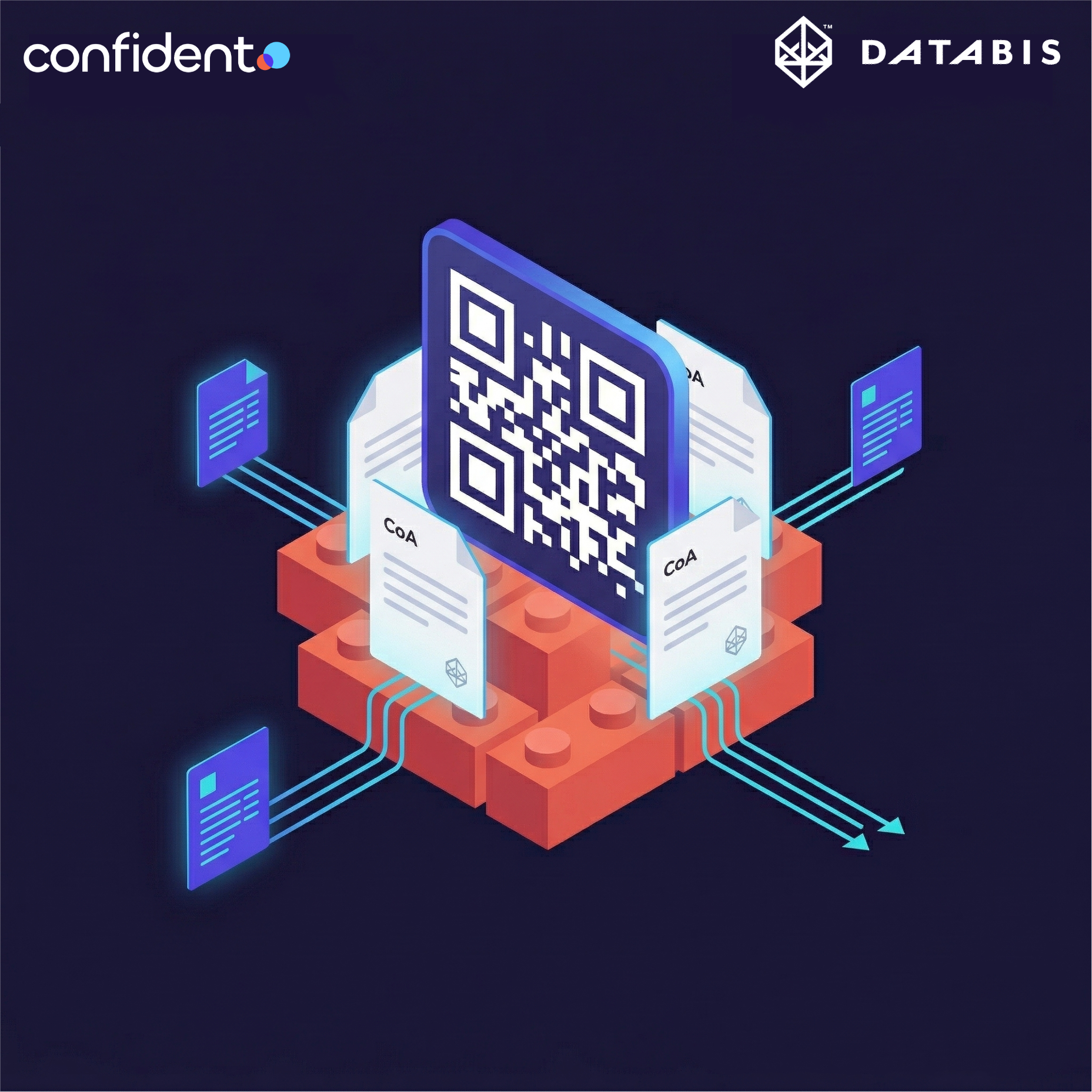
Confident LIMS Integrates with Databis for Verified CoA QR Transparency
Confident LIMS + Databis Integration: Verified Data, Trusted Products, Connected Consumers
Why Cannabis Supply Chain Transparency is Crucial for Consumers
Cannabis supply chain transparency ensures safety, verifies claims, and builds consumer trust.

Ready to Bridge the Cannabis Transparency Gap?
Join forward-thinking cannabis brands creating direct consumer connections through verified transparency.